
Visioning a Prosperous 2050
Bangladesh Future Forum 2026
Visioning a Prosperous 2050: Reckoning with the Past, Reimagining the Future
About the Forum
The Bangladesh Future Forum (BFF) is designed to serve as an intellectual platform that brings together scholars, policymakers, practitioners, and youth to chart a course for Bangladesh's future journey to 2050. The Forum has emerged at a defining moment in the nation's history, amid renewed democratic aspirations following the 2024 civic uprising and the historic 2026 national election scheduled for February 2026. Bangladesh stands at a crossroads: between the legacies of past governance and the possibilities of a more prosperous, inclusive, and sustainable future.
The BFF 2026 seeks to generate forward-looking, evidence-based ideas that will shape the country's developmental, democratic, and ecological trajectories. Through keynotes, paper presentations, plenaries, thematic sessions, roundtables, and policy labs based on scholarly work, BFF 2026 will examine how Bangladesh can transition toward a more accountable, innovative, and resilient state that can deliver the promises of Sonar Bangla , or the Golden Bengal - a thriving Bangladesh by 2050.
Bangladesh
Vision 2050
Visioning a Prosperous 2050
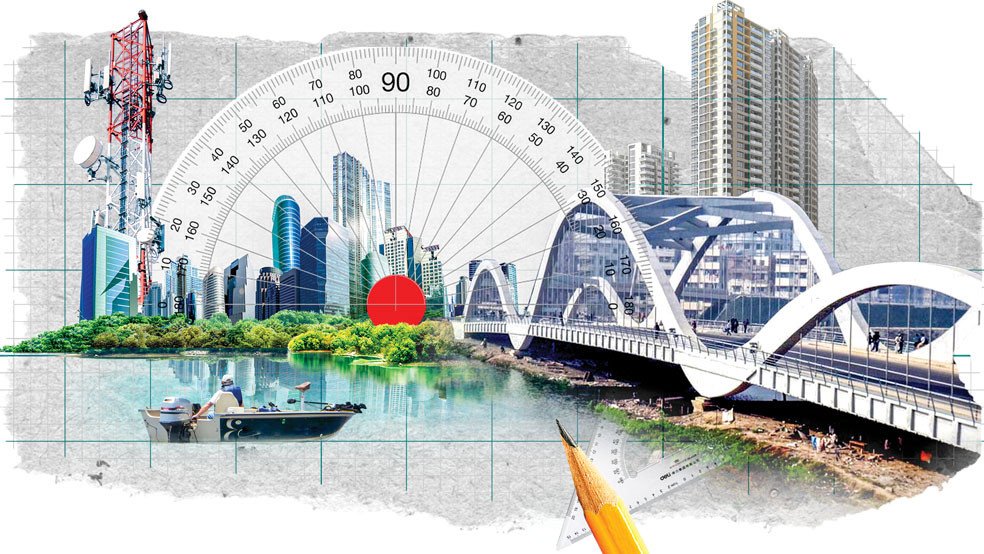
As Bangladesh navigates a period of democratic transition, evolving political context and discussions on long-term structural reforms, the nation finds itself at a pivotal moment, poised to rethink and reshape its future development course.
The Forum's central theme, "Visioning a Prosperous 2050: Reckoning with the Past, Reimagining the Future," invites participants to reimagine the country's political economy, governance, and global positioning through an integrated lens of democracy, governance, geopolitics, sustainability, and inclusion. The BFF 2026 calls for confronting the structural challenges of inequality, institutional fragility, and environmental and climatic stress while seizing the opportunities presented by technology, innovation, demographic dividends, and youth dynamism.
By drawing lessons from past policy choices, regional and global experiences, the Forum aims to advance a collective vision grounded in justice, accountability, and planetary well-being. Participants will engage in candid dialogue to generate actionable ideas that can inform the reforms and shape Bangladesh's long-term future.
Justice
Accountable statecraft
Planetary
Climate resilience
Technology
Youth-led innovation
Inclusion
Demographic dividend
Major Thematic Tracks
BFF 2026 will feature parallel panels, plenary keynotes, paper presentations, roundtables, dialogues, and policy labs across 9 thematic areas, including but not limited to:
Business and Economy
Banking, finance, monetary policy, sustainable business management, sustainable financial regulation, macroeconomic stability and recovery, foreign exchange reserves management, industrial competitiveness, industrial policy, FDI, green and inclusive growth, entrepreneurship and innovation.
Banking, finance, monetary policy, sustainable business management, sustainable financial regulation, macroeconomic stability and recovery, foreign exchange reserves management, industrial competitiveness, industrial policy, FDI, green and inclusive growth, entrepreneurship and innovation.
Culture, Faith, & Identity
Exploring how cultural identity, historical memory, social norms, and shared values influence policy, innovation, and sustainable growth, historical reckoning and political memory, faith and pluralism in public life, moral imagination for the nation, diversity and inclusion in national identity, cultural institutions and arts.
Exploring how cultural identity, historical memory, social norms, and shared values influence policy, innovation, and sustainable growth, historical reckoning and political memory, faith and pluralism in public life, moral imagination for the nation, diversity and inclusion in national identity, cultural institutions and arts.
Democracy & Justice
Institutional reform, tackling corruption, transparency, accountability, and participatory democracy, election, addressing state-backed human rights violations, justice mechanisms for past harms and human rights violations, pathways for conflict resolution, healing, and peacebuilding, reforming the law enforcement and judiciary, oversight bodies, safeguarding civic rights, and the right to information.
Institutional reform, tackling corruption, transparency, accountability, and participatory democracy, election, addressing state-backed human rights violations, justice mechanisms for past harms and human rights violations, pathways for conflict resolution, healing, and peacebuilding, reforming the law enforcement and judiciary, oversight bodies, safeguarding civic rights, and the right to information.
Education and Work
Skills gap, reskilling, academia–industry collaboration, and AI-driven job transformation.
Skills gap, reskilling, academia–industry collaboration, and AI-driven job transformation.
Environment and Climate
Mitigation and adaptation, climate finance, NDC 3.0, blue economy, water diplomacy, transboundary water governance and security, and sustainable urban futures.
Mitigation and adaptation, climate finance, NDC 3.0, blue economy, water diplomacy, transboundary water governance and security, and sustainable urban futures.
Energy Security
Energy transition, subsidy reform, and sustainable energy governance, reform, and accountability in the energy sector.
Energy transition, subsidy reform, and sustainable energy governance, reform, and accountability in the energy sector.
Geopolitics & Foreign Policy
Bangladesh’s strategic positioning in the Indo-Pacific, Indo-Pacific Strategy, Belt and Road Initiative, regional cooperation, Rohingya issue and security, geoeconomics, and global integration.
Bangladesh’s strategic positioning in the Indo-Pacific, Indo-Pacific Strategy, Belt and Road Initiative, regional cooperation, Rohingya issue and security, geoeconomics, and global integration.
Healthcare & Well-being
Health systems, technology in healthcare, and equitable access.
Health systems, technology in healthcare, and equitable access.
Youth & Inclusive Futures
Advancing Gen-Z and women’s leadership and agency to influence socio-economic transformation and political culture, expand democratic participation, and build a more just, resilient, and prosperous Bangladesh by 2050.
Advancing Gen-Z and women’s leadership and agency to influence socio-economic transformation and political culture, expand democratic participation, and build a more just, resilient, and prosperous Bangladesh by 2050.
Honorable Speakers
Meet the visionaries, policy makers, and industry leaders shaping the future at BFF 2026.
Kabir Hassan
Professor
University of New Orleans
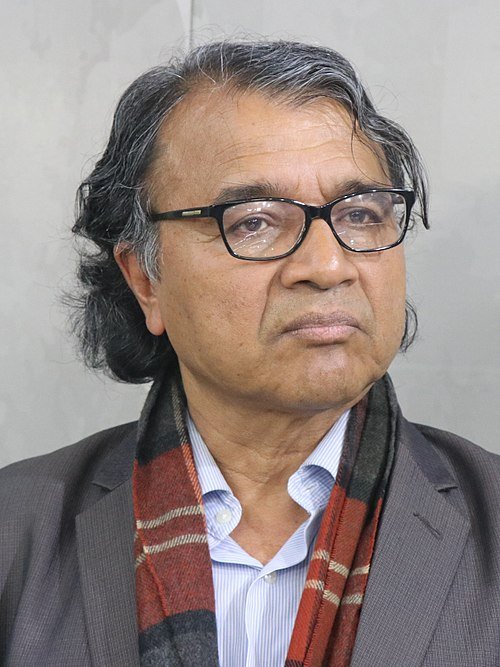
Salimullah Khan
Professor
North South University
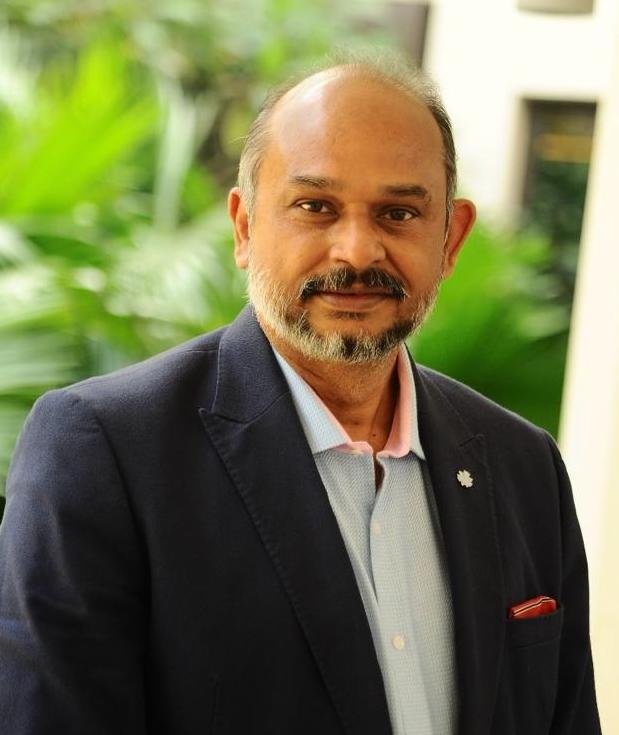
Rashed Al Mahmud Titumir
Professor
University of Dhaka
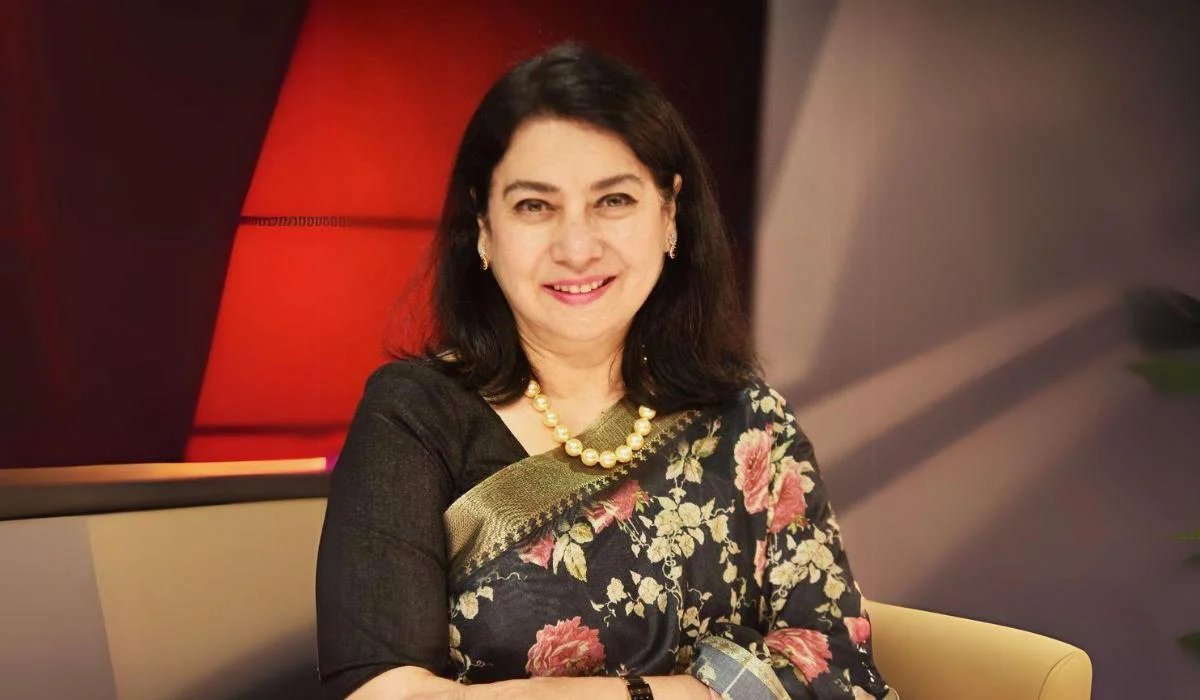
Fahmida Khatun
Executive Director
Center for Policy Dialogue (CPD)
Faruk Wasif
Director General
Press Institute of Bangladesh (PIB)
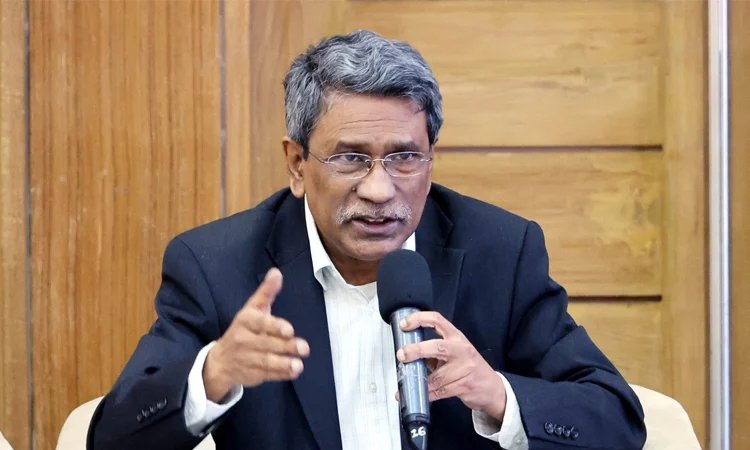
Ali Riaz
Special Assitant to the Chief Adviser of Bangladesh
Government of Bangladesh
Mahbub Ullah
Professor
University of Dhaka
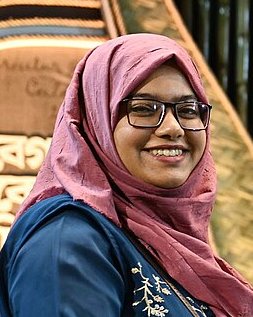
Nabila Idris
Member of the Commission of Inquiry on Enforced Disappearances
Government of Bangladesh
Delegates & Participants
The Forum serves as a multi-stakeholder platform, inviting voices from across the globe to reimagine Bangladesh.
Academics & Researchers
Experts in public policy, economics, health, climate, and international relations.
Policymakers & Bureaucrats
Key decision-makers shaping national development and institutional governance reforms.
Political Actors & Leaders
Leaders across parties committed to transparent and accountable governance.
Civil Society & NGOs
Development practitioners working on social justice, sustainability, and inclusion.
Private Sector Innovators
Entrepreneurs and tech leaders driving the next generation of economic transformation.
Youth & Diaspora
Students, Gen-Z leaders, and overseas scholars envisioning Bangladesh 2050.
Call for Papers and Posters
01 Submission Guidelines
We invite submissions of ongoing research or new research that aligns with the BFF 2026 theme. Submissions should look ahead to Bangladesh 2050, offering policy pathways and actionable recommendations.
Format Requirements
Extended Abstract: 450–500 words with 3–5 keywords, author details, affiliation, and thematic track.
Preferred Submission Structure:
- Research question & relevance
- Theoretical framework
- Data sources & methodology
- Expected findings
- Policy implications
Review Process
Rolling basis review. Decisions within 7–10 days of submission. Each submission will undergo review by subject experts.
Poster Submissions
Poster proposals aligned with the conference tracks are welcome. Print-ready posters must be submitted by Jan 15, 2026.
Panel Proposals
We welcome a select number of theme-specific panels or research sessions. To propose a panel, please email: session title, 200–300 word abstract, list of proposed presenters, and affiliations.
Important Dates
Join the Forum
Registration Fees
|
Student (NSU)
|
Amount:
BDT 100
|
|
Student (General)
|
Amount:
BDT 200
|
|
Young Professional
(Age < 32 years)
|
Amount:
BDT 800
|
|
Professional
(Age ≥ 32 years)
|
Amount:
BDT 1,500
|
Awards & Recognition
Recognition
Outstanding papers and posters will receive recognition and will be featured in the Conference Proceedings and BFF 2026 Policy Brief.
Travel Support
Selected international presenters may receive full or partial travel support and/or registration discounts/waivers.
Program Overview
Two days of intensive dialogue, strategic keynotes, and expert-led panels focusing on Bangladesh's institutional reforms and political settlement.
Session titles and speakers are subject to final confirmation.
Contact Us
For General Queries
Mr Shamir Shehab
Faculty and Member, BFF 2026 Steering Committee
Contact Information
Website
BangladeshFutureForum.comVenue
North South University, Dhaka, Bangladesh
Our Partners
BRIDGE
Bay of Bengal Research Institute for Democratic Governance, Economy, Environment
Interested in partnering with BFF 2026?
Become a Partner